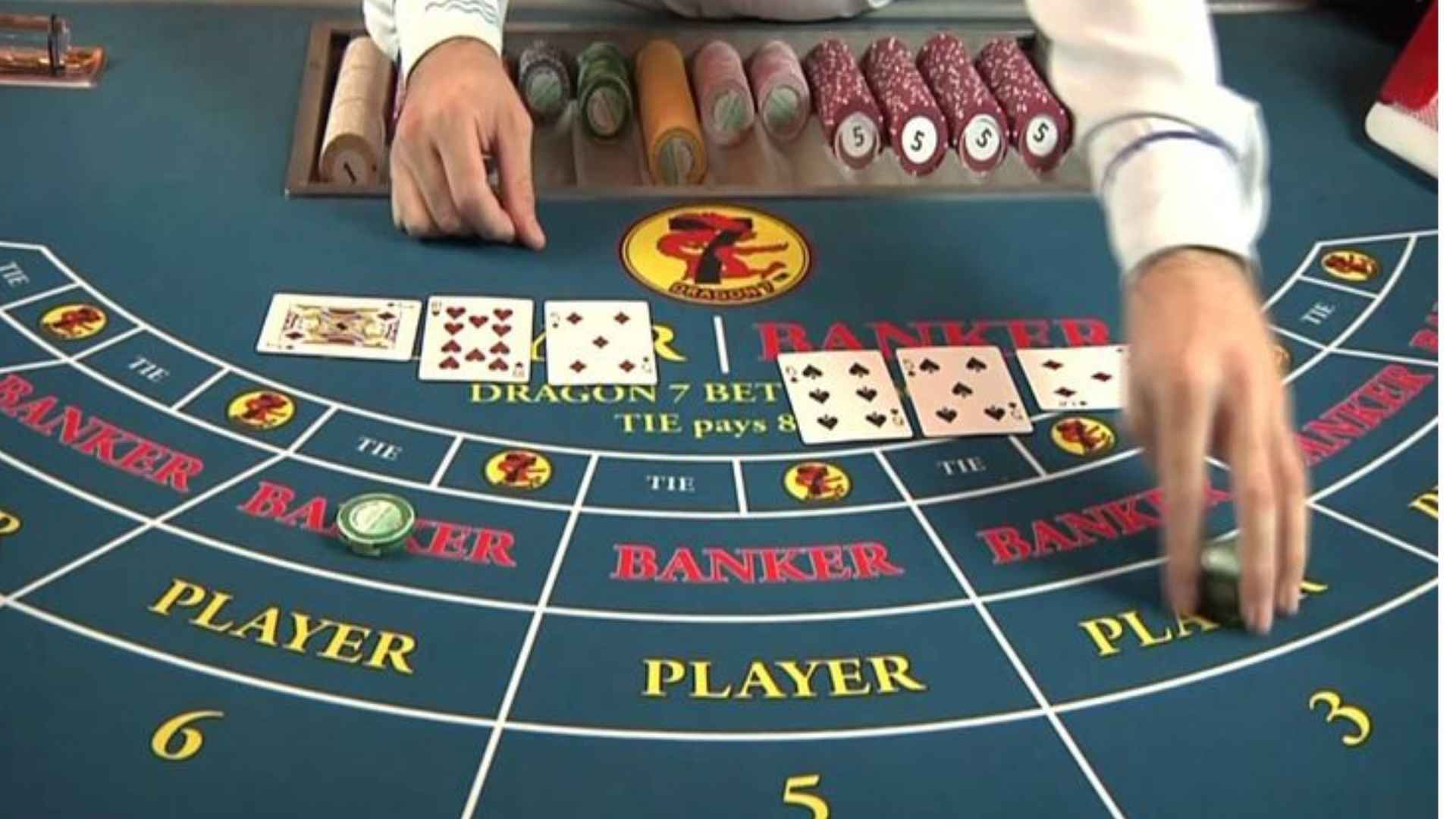
The game of bridge is far more than a recreational pastime; it is a high-stakes arena of intellectual combat. In this environment, players must make rapid, calculated decisions while managing limited resources and incomplete information. The high-pressure situations encountered at the table serve as a powerful training ground for developing elite communication skills.
The Value of Standardized Signaling Systems
When playing under intense pressure, verbal communication is strictly regulated, forcing players to rely on a complex network of signaling conventions. These silent systems teach partners to convey maximum information through highly disciplined card placements and bids. Over time, players learn to interpret subtle cues instantly, which eliminates second-guessing during critical moments of play.
This structured level of coordination is highly transferrable to real-world business scenarios where team members must remain aligned. Many enthusiasts who balance intense hobbies with analytical careers look for tools to test their focus in different formats, such as accessing a secure M88 Login alternatif platform. Ultimately, establishing standard communication protocols prevents costly errors when a project timeline becomes incredibly demanding.
Managing Emotional Reactions and Maintaining Focus
One of the hardest aspects of playing competitive bridge is dealing with immediate mistakes or unexpected setbacks. When a contract fails, partners must resist the urge to assign blame or show visible frustration. Learning to maintain a neutral poker face and support your partner during difficult rounds builds immense psychological resilience.
By practicing emotional control at the card table, individuals learn to decouple their immediate feelings from logical problem-solving. This shift in mindset prevents communication breakdowns, ensuring that subsequent discussions remain strictly solution-oriented. Keeping your composure under pressure allows the partnership to navigate complex hands with shared confidence.
Synthesizing Feedback for Continuous Improvement
After a session of bridge ends, successful pairs engage in thorough post-mortem reviews to analyze their performance. Rather than dwelling on mistakes, players focus on understanding why certain communication errors occurred during the auction. This habit of objective feedback helps both participants align their strategic thinking for future tournaments.
By treating mistakes as shared learning opportunities rather than personal failures, teams cultivate trust and mutual respect. Openly discussing what went wrong under pressure ensures that future misunderstandings are mitigated before they can escalate. This cycle of continuous alignment is what ultimately separates great partnerships from average ones.